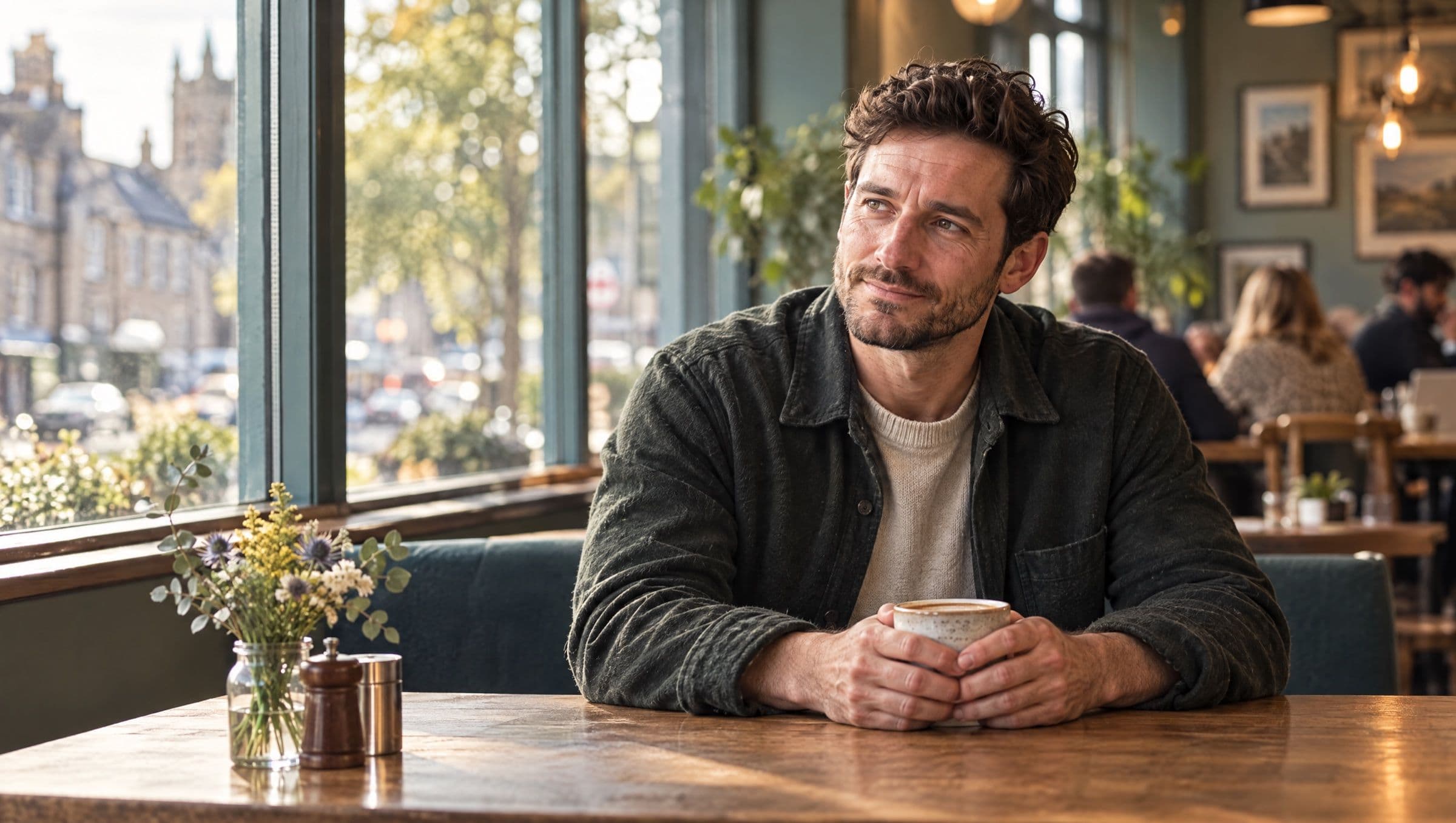
This is a case study into the process and effects of Mullins Therapy's Anxiety HIT programme. It follows one client's sessions and shows, in his own words, what happened session by session.
"I wanted the old, happy KW back, the one I have all the fond memories of, the one I seem to have lost along the way."
Before treatment
KW is a middle-aged man running a business in south-west Scotland. He had lived for years with the stress and strain of crippling anxiety, which led to severe social anxiety and general anxiety in his day-to-day life. He had tried most conventional methods and therapies to deal with it before deciding to try a different route. Here, KW shares his own view of the treatment and the progress he made.
KW: Initially, I was apprehensive. You see all these TV shows with hypnotists on them, but Kevin was completely different. I felt relaxed and at ease almost instantly, and knew straight away this was a good fit for me. The first step is like diving off a high board at the pool — you have to trust the person guiding you that it's safe and the right option. Once I'd made that initial leap, by getting in touch and having the first meeting, I honestly didn't give it a second thought.
I'd suffered from stress and anxiety for around three years, getting worse as each day passed. As soon as I woke, I was filled with dread and fear. Every thought or idea made it worse. It limited me in other areas too, especially my motivation and determination to succeed. I tried all the self-talk and self-motivation posts on social media — I understood them, but just didn't have it in me at the time to act on them. I started staying indoors more, and distanced myself more than I should have.
It isolated me, and it was a lonely time, to be honest. It feels like you're the only one suffering, and no one else understands. Tough love made it worse — people saying things like "it's all in your head" or "come on, just get up and get on with it" didn't help, because I couldn't be like them and just get up and get on with it. It affected my relationships with friends and family, and even work started to suffer, because I wouldn't put myself out there for fear of being shot down or judged. Everything I thought about seemed to spiral — I could look at a small problem and see it as immense.
Having heard about NLP in the past, I decided to look into it a bit more. It made sense to me, so I arranged a session with Kevin, and it went from there.
Remarks: When KW first walked into my office, he appeared extremely nervous and shy about his situation. During the first half of the session, it became apparent that KW was a warm and caring person, displaying severe social anxiety and, in certain circumstances, general anxiety, especially when alone with his thoughts at night. He had a self-destructive internal dialogue that wouldn't allow any positive thoughts, feelings or emotions through.
KW had a fear of speaking with customers and potential new clients for his business, which was limiting the company to small-scale events with people he already knew, or family and friends at weekends. He was turning something he enjoyed and had a passion for into an emotional trigger for the anxiety, and isolating himself from people and situations that would otherwise have enhanced both his personal and business life.
Session 1: calming the panic
The first thing I did with KW was teach him blockers for his panic and anxiety for when the attacks came. We spent the second half of the session teaching and practising "calm anchoring" and a stop technique, designed to interrupt anxiety in the moment.
KW: After the very first session, I left the room on a high. For the first time, I knew I could limit the damage anxiety had over me. I used the anchoring technique relentlessly for the first few days, and could press it no matter where or when I was. It would settle me and take me to the calmest place I know.
It was almost like a reset button of its own. Eventually the anxiety seemed to listen to these two methods less and less, and after a few days it eased as soon as I started the blockers — as if it knew I was fighting back.
Session 2: a shift in perspective
When KW returned for his second session, he appeared calmer and more at peace, although the anxiety was still present — the thought of dealing with new clients or people was still uncomfortable. But the relief of having stopped several panic and anxiety attacks gave him more hope and determination. KW is a very kinaesthetic, feelings-based person, and that shaped this session: we used a technique called parts integration. The shift was rapid for him — it's something to behold when you see that shift take place, and always a privilege to witness.
KW: The second session changed a great deal for me. I found it strange when my hands started moving on their own, and I had no control over them, but I followed the instructions and focused on my breathing. I honestly couldn't tell you exactly what happened, but I remember Kevin saying "…and now, very gently, open your eyes…", and it was as if my eyes had been replaced with new ones. I could see clearly — the fog that had clouded them wasn't there. The heaviness in my chest and stomach had lifted. I felt light, almost giddy, and just remember thinking: no way did he just do that.
I looked for the anxiety, trying to feel for it where it always sat, but all I felt was lightness. Kevin asked me — if I was standing in a room with ten new clients, giving a sales pitch, how would I react? "Bring it on" was my answer. It felt surreal.
A few days later I secured a large catering contract in central Scotland. Before this, I probably wouldn't even have attended the meeting. I walked in under real pressure to get it right, sell my business and secure the contract — and I did. The pride I felt that day is something I'll remember for a long time.
Session 3: dealing with what's left
KW arrived in good spirits. He hadn't had a panic or anxiety attack in a week, and while he still had small twinges here and there, they came and went quickly and weren't enough to bother him. He was going to the gym daily and walking his dog for longer, starting to live his life more fully.
Because those small twinges of anxiety remained, this session focused on his internal dialogue — the idea that words shape thoughts, and thoughts shape emotions. I used a reframe, along with work on how he represented these feelings internally, to deal with the residue of the anxious pattern. KW was predominantly kinaesthetic in how he experienced his emotions — he used phrases like "I feel", pointing to his chest, rather than describing pictures or sounds. This session eased the heavy, predominant anxious feeling and gave him a hunger to push himself further.
KW: It felt a little strange when Kevin asked me to bring up what was left of my anxiety and really feel it — I hadn't given it much thought in the week since the second session. But I trusted the process. One sentence made all the difference in this session: he told me that anything you can do with an object in your hand, you can do with a feeling inside you.
I had fun putting a frame around the feeling, pausing it, changing its colour, and pushing it into the distance. It felt real, and slightly sad, that this thing I'd carried for so long was leaving me — a little shock and panic set in. I was then shown how every word triggers a thought, the thought leads to a feeling, and the feeling guides the action, and that becoming more aware lets you change that at the very first stage. Every morning after that, I got up, went to the gym, and took my dog for a walk. It started with a word, and now I feel much more in control of choosing it.
Session 4: planning for the future
As KW arrived for his final session, his anxiety had eased a great deal. This session focused on future planning and action (the different lifestyle choices open to him) alongside hypnotherapy to build his confidence, drive and determination. I asked KW what he wanted now, and his answer was simple: to get back out there and make the most of it.
KW: Session four was a good place to end. I identified that my internal dialogue had been working against me, and made the choice to change it. My excitement for life and my business was back, and I honestly didn't think that was possible in such a short space of time. I've gone from being fairly reclusive to pushing my business further than I thought possible, and feeling genuinely content in myself.
Where KW is now
Closing comments — KW: I never thought, at the start, that these methods would change things for me this much in such a short space of time. My anxiety is far less than it was. My confidence and self-esteem are much higher, and I'm living and pushing my dreams every day. If anxiety ever does try to make an appearance, I now have the tools to deal with it myself, and I feel much stronger facing it than I did before.
Remarks: KW's case reflects a fairly typical pattern of social anxiety — getting flustered, reacting badly to other people's actions, and worrying about the future. Anxiety HIT is a direct-action therapy built around four tailored sessions, aimed at helping clients build lasting tools to manage anxiety rather than simply talk through it. For someone who's lived with anxiety for years, working through it in four structured sessions is a fast pace by any measure — though, as with any therapy, results vary from person to person.
Kevin: A few months have passed since I last saw KW, and in that time he's gone from strength to strength. He's living the life he wants, arranging plenty of meetings and business opportunities, and continuing to look after his fitness. He remains a genuinely nice, calm man.